A few months ago, I spoke to two Project Managers. Both had almost the same experience, similar roles, and even worked in comparable industries.
But their situations were completely different. One was struggling to get interviews despite applying consistently. The other had multiple offers and was negotiating salaries.
One thing I understood was that the difference wasn’t luck; it was alignment with where the market is heading.
In 2026, being a Project Manager is no longer just about tracking tasks or managing timelines. It’s about handling fast-moving teams, working with agile and digital tools, and delivering measurable business impact. Companies in 2026 are hiring for capability and execution.
In this blog, we will discuss the Project Manager Job Market, the hiring trends, industry demand, and skill gaps. If you’re serious about growing as a Project Manager, this will help you understand where you stand today and what you need to change to stay relevant.
Project Manager Job Market 2026: Overview
The Project Manager job market in 2026 is growing, but not evenly. Companies are still hiring, but they are far more selective about skills, adaptability, and real execution ability. The shift is clear. Businesses want problem-solvers who can deliver outcomes.
Across the US, India, and global markets, hiring is being driven by Digital transformation, such as AI, SaaS, and automation. These industries have faster product delivery cycles, cost efficiency, and lean teams. This means Project Managers today must be agile-ready, tech-aware, and comfortable managing distributed teams.
Where Project Manager hiring is growing vs declining
Most high-growth companies are expanding their Project Management teams due to increasing project complexity and faster delivery expectations. In 2026, hiring is growing rapidly across tech and SaaS companies. This is because continuous product releases demand for agile Project Managers.
For Fintech and AI-driven businesses that require structured execution and speed. Consulting and IT services firms are also hiring actively to manage multiple global clients.
However, Global Capability Centers (GCCs), especially in India, are driving strong demand for Project Managers handling international projects.
Where hiring is slowing or changing
At the same time, hiring is slowing or evolving in traditional sectors. Manufacturing roles without digital transformation are seeing limited demand, and hiring is mostly tied to automation initiatives. Construction and other non-tech industries continue to offer stable but slower growth opportunities.
Additionally, organizations relying only on waterfall methodologies are reducing demand for rigid, documentation-heavy Project Managers, as companies shift toward more flexible and agile ways of working.
Top industries hiring Project Managers in 2026
A few years back, it was said that Project Managers are only needed in the IT sector. However, in 2026, they are hired across multiple industries. Let’s see some of the top hiring sectors:
Technology and SaaS: Manage product delivery, sprint execution, and cross-functional team coordination in fast-paced agile environments.
Fintech-focused BFSI: Handle compliance-driven projects while driving digital banking and fintech innovation initiatives.
Healthcare and HealthTech: Oversee digital health systems, hospital operations, and data-driven healthcare solutions with high accuracy.
E-commerce and Retail: Drive supply chain efficiency, logistics, and customer experience improvements across operations.
Consulting and IT Services: Manage multi-client projects, global teams, and large-scale delivery with strong stakeholder coordination.
Project Manager Skills in Demand in 2026
In 2026, Project Management is no longer just about timelines, meetings, and reports. The role has evolved into a strategic, tech-enabled, and outcome-driven function. Companies now look for Project Managers who can think beyond execution, use data and AI, and lead teams in fast-changing environments.
1. Agile and Hybrid Project Management
Companies are moving away from strict waterfall models and adopting agile + hybrid approaches. PMs must be comfortable with sprint cycles, fast feedback loops, and flexible execution.
2. AI and Data-Driven Decision Making
AI is becoming a core part of Project Management. From predicting risks to optimizing timelines. PMs who can use AI tools and interpret data for decisions have a clear advantage.
3. Strategic Thinking and Business Acumen
Project Managers are no longer just executors in 2026. They are expected to align projects with business goals and drive measurable impact.
4. Communication and Stakeholder Management
Managing clients, teams, and leadership across locations requires clear communication and strong stakeholder handling, still one of the most critical skills.
5. Leadership and Emotional Intelligence (EQ)
With remote and cross-functional teams, PMs need empathy, conflict resolution, and team motivation skills to manage people effectively.
6. Adaptability and Problem-Solving
Projects today are unpredictable. Companies want PMs who can handle uncertainty, adapt quickly, and solve problems without a fixed playbook.
7. Core Project Management Fundamentals
Basics still matter. Skills like planning, risk management, budgeting, and resource allocation remain essential for execution.
Get certified, get skilled, and get hired faster in top companies with our Scrum Master Bootcamp now!
Project Manager Hiring Trends in 2026
Project Manager hiring in 2026 is becoming more skill-driven, technology-focused, and outcome-oriented. Companies are prioritizing real execution ability, adaptability, and business impact. The rise of AI, agile methodologies, and global teams has reshaped what employers expect from Project Managers.
Profiles getting hired faster in the US and global market
In 2026, certain Project Manager profiles are moving faster through hiring pipelines.
PMs with agile and hybrid experience are preferred over traditional-only backgrounds
Candidates with AI and data-driven decision-making skills stand out
Professionals with cross-functional exposure, like tech and business, are getting shortlisted faster
PMs who can manage remote/global teams are in high demand
Modern projects are complex, fast, and tech-enabling. That is why companies need PMs who can adapt quickly and deliver measurable outcomes, not just manage timelines.
Why PMP-only candidates are losing ground in agile environments
Companies are shifting toward agile and hybrid methodologies instead of pure waterfall. Agile skills like Scrum, Kanban, and SAFe® are becoming mandatory in many roles.
PMP focuses more on structured planning, while modern teams need flexibility and speed. PMP needs to be combined with agile knowledge and practical experience.
Resume mistakes that reduce interview callbacks
Employers now prefer proof of work and real impact over job titles or years of experience. Even strong candidates are missing opportunities due to avoidable mistakes.
Writing task-based resumes instead of outcome-based achievements
Not highlighting tools, certifications, or agile experience clearly
Using generic resumes without tailoring for specific roles
Failing to show measurable impact, such as cost savings, time reduction, and delivery success
Remote vs On-Site Project Manager Jobs
Remote Project Management has become a standard way of working in 2026. On-site roles still exist, especially in industries like construction or manufacturing. However, many companies now prefer remote Project Managers.
They need one who can handle distributed teams, manage work digitally, and deliver results without being physically present. The core responsibilities remain the same, but remote roles demand stronger ownership, better communication, and higher adaptability.
What employers expect from remote Project Managers
Remote Project Managers are expected to go beyond traditional responsibilities and adapt to a more digital, self-driven environment.
Clear communication and strong stakeholder management across teams
Ability to plan, execute, and track projects independently
Experience in managing distributed teams across locations and time zones
Proficiency in Project Management and collaboration tools
High level of ownership, accountability, and self-discipline
Ability to identify risks early and ensure timely project delivery
Project Management Certifications in 2026
In 2026, certifications matter, but only when backed by real skills. Companies now prefer certifications that reflect agile thinking, scalability, and practical execution, rather than just theoretical knowledge.
Why SAFe® certified professionals are in high demand
As organizations scale and manage multiple agile teams, frameworks like SAFe® (Scaled Agile Framework) are becoming more relevant. This is why SAFe®-certified professionals are moving faster through hiring pipelines.
Companies need PMs who can manage large-scale agile environments, not just single teams
SAFe® helps in aligning multiple teams, stakeholders, and business goals
It is highly valued in enterprise companies, consulting firms, and GCCs
To understand how it works across teams and organizations, you can explore the SAFe Big Picture.
Choosing between Leading SAFe®, PMP, and PMI-ACP
Choosing the right certification depends on your career stage and the type of roles you’re targeting.
If you’re exploring options or unsure where to start, you can review different SAFe® Courses to understand which certification aligns best with your goals.
Project Manager Salary in 2026
The biggest trend for the Project Manager Salary in 2026 is clear. PMs with agile expertise, certifications, and tech exposure are earning higher salaries compared to traditional roles. Companies are willing to pay a premium for professionals who can drive outcomes and manage complex, fast-paced projects.
Salary ranges by experience level
Salaries are higher in tech hubs and roles involving product, AI, and large-scale Project Management.
Salary premium for agile and SAFe®-certified Project Managers
Many professionals also explore roles like Scrum Master, SAFe®-certified PM, or Agile PM to grow further. Understanding the difference between their salaries and roles can help you choose the right path. You can also read on Agile Coach vs Scrum Master to get a clear career path.
Agile skills improve delivery speed and efficiency
Certifications signal lower risk to employers
Enterprise frameworks like SAFe® enable multi-team and large-scale execution
For professionals targeting high-paying roles, certifications like the Leading SAFe® 6.0 certification training can significantly boost earning potential.
Project Management Tools You Must Know in 2026
In 2026, Project Management is highly tool-driven. Companies expect PMs to be comfortable with task tracking, collaboration, and reporting tools to manage projects efficiently. In large-scale agile environments, understanding Scaled Agile Framework Tools also becomes important.
Common tools used by Project Managers:
Jira / ClickUp / Asana: Task and sprint management
Microsoft Project / Smartsheet: Planning and scheduling
Slack / Microsoft Teams: Team communication
Confluence / Notion: Documentation and knowledge sharing
Power BI / Excel: Reporting and data tracking
Why tool expertise improves hiring chances
In 2026, tool expertise is a key hiring factor because it shows that you can execute projects efficiently from day one. Companies prefer candidates who are already familiar with tools like Jira, Asana, or Slack, as it reduces training time and improves team collaboration.
Simply put, tool knowledge signals that you can handle real-world project environments, not just theoretical concepts.
How to Grow Your PM Career in the Next 90 Days
The next 90 days can completely change your Project Management career if you approach it with a clear plan. A structured 30-60-90-day approach helps you build skills, close gaps, and show measurable progress quickly.
Here is a simple guide:
First 30 days: Learn and understand
Next 30 days: Apply and contribute
Final 30 days: Take ownership and lead
Certifications and resume strategies that deliver fast results
To see real growth in 90 days, focus on high-impact actions:
Learn one in-demand certification, like SAFe® or Scrum Master
Update your resume with outcome-based achievements
Gain hands-on exposure to tools like Jira, Asana, or ClickUp
Build a project portfolio or case study to showcase execution
Start applying with a targeted, role-specific resume
If you want structured learning, programs like SAFe for Teams training can help you become job-ready faster.
How Skillify Solutions helps Project Managers get job-ready
Platforms like Skillify Solutions focus on making Project Managers industry-ready, not just certified.
Industry-relevant certifications aligned with hiring demand
Practical training focused on real-world project scenarios
Guidance on resume building and interview preparation
Support to transition into high-demand agile and enterprise roles
For execution-level and team-based roles, programs like SAFe® for Teams training help you understand how agile teams work, collaborate across functions, and deliver value in real projects.
If you use the next 90 days with the right strategy, you can significantly improve your skills, profile, and hiring chances in a short time.
Conclusion
From the above blog, we can conclude that 2026 is a turning point for Project Managers. The role is becoming more dynamic, more strategic, and more rewarding for those who are ready to adapt. Whether it’s learning new tools, understanding agile frameworks, or improving how you present your experience, small changes can create a big impact.
The gap between average and high-performing project managers is growing, but so are the opportunities. If you take the right steps now, you won’t just stay relevant, you’ll grow faster than most. The choice is simple: evolve with the market or get left behind.
1. Is Project Management still a good career in 2026?
Yes, project management is still a strong career in 2026. Demand is growing due to digital transformation, AI adoption, and global projects requiring skilled managers.
2. Are project managers in demand in the US right now?
Yes, project managers are in high demand in the US. Companies need professionals to manage complex, cross-functional projects across industries like tech, healthcare, and finance.
3. Which certification is best for project managers in 2026?
The best certification depends on your role. SAFe® Courses by Skillify Solutions are widely recognized. While Agile and PMP certifications are preferred for modern, fast-paced and scalable project environments.
4. Does SAFe certification increase salary for project managers?
Yes, certifications like SAFe® and PMP can increase salary. PMP-certified professionals earn around 17% higher median salaries than non-certified peers.
5. What industries hire the most project managers?
Top industries include IT & SaaS, finance (BFSI), healthcare, construction, and consulting, as they rely heavily on structured project execution.
Stepping into a project management interview can feel like a big moment in your project management career. Hiring managers want to see more than just a list of skills on your resume; they want to understand how you think, solve problems, and lead a team. That’s why preparing for common project management interview questions is so important. By thinking through your answers to these project management interview questions beforehand, you can walk into your interview with confidence, ready to show why you’re the best person for the job.
If you are just starting out, interviewers will focus on your foundational knowledge and core abilities. These project management basics interview questions are designed to check if you understand the fundamental concepts and possess the raw talent to grow into a successful project manager.
Your answers should demonstrate a solid grasp of theory, good communication skills, and an eagerness to learn. Even without extensive experience, you can impress by connecting the job description to your potential. Let’s explore some of these entry-level questions.
1. What is project management, and why does it matter?
Project management is the discipline of planning, executing, and overseeing projects to achieve specific goals within a defined timeframe and budget. It organizes resources, manages tasks, and leads teams to deliver successful outcomes. Effective project management is essential because it brings structure and predictability, helping teams collaborate efficiently and ensuring projects stay on track. Without it, projects risk missing deadlines, exceeding budgets, or failing to meet objectives. Ultimately, project management matters because it:
Ensures projects are completed on time and within budget.
Helps teams navigate risks and challenges smoothly.
Aligns project outcomes with overall business objectives.
2. What are the main responsibilities of a project manager?
A project manager is like the captain of a ship, responsible for guiding the project from start to finish. Their main duty is to ensure the project meets its goals by managing all its moving parts. This involves a blend of planning, organizing, leading, and controlling.
The role extends beyond just tracking tasks. A project manager must motivate team members, communicate with stakeholders, and manage risks. They use various project management tools to keep everything on track and ensure transparency. Their ability to balance deadlines, budget, and scope is critical to success.
Key responsibilities typically include:
Defining the project scope, goals, and deliverables.
Developing a detailed project plan and schedule.
Leading and supporting the project team members throughout the process.
3. What are the key phases of the project management lifecycle?
The project management lifecycle is a structured approach to managing projects from start to finish. It consists of five key phases, each with specific objectives and tasks. These phases help ensure the project stays organized, on track, and meets its goals. Understanding this lifecycle is essential for effective project management.
Here is a simple breakdown of the five phases:
Phase
Description
1. Initiation
The project is defined at a high level, and its feasibility is determined. This is where the project charter is created.
2. Planning
A detailed project plan is developed, outlining the scope, budget, timeline, resources, and tasks.
3. Execution
The project team carries out the tasks defined in the plan to produce the deliverables.
4. Monitoring & Controlling
Project progress is tracked against the plan. The project manager makes adjustments as needed to stay on course.
5. Closure
The project is formally closed, deliverables are handed over, and the team documents lessons learned for future projects.
4. What is a project charter and what should it include?
A project charter is a formal document that officially authorizes a project to begin. It serves as the project’s foundation, providing a high-level overview of its objectives, scope, and stakeholders. Think of it as the project’s birth certificate; it gives the project manager the authority to apply organizational resources to project activities.
This document is created during the initiation phase and is crucial for aligning everyone’s expectations from the very start. It ensures that key stakeholders and the project team are on the same page before the detailed project plan is developed. A clear and concise project charter prevents confusion and sets the stage for a successful project.
A well-written project charter should include:
The project’s vision, objectives, and scope.
Key stakeholders and their roles.
High-level risks, budget, and timeline.
5. What is the difference between a project, program, and portfolio?
Understanding the distinction between a project, program, and portfolio is key technical knowledge for any project manager. While they are related, they represent different levels of strategic planning and management within an organization. A project is a temporary endeavor designed to create a unique product, service, or result.
A program is a group of related projects managed in a coordinated way to obtain benefits not available from managing them individually. For example, building a new software application could be a project, while a program might involve developing the software, training users, and marketing it. This coordination provides a higher level of oversight.
A portfolio is the highest level, representing a collection of projects, programs, and other work that are grouped together to meet strategic business objectives.
Project: A single, temporary effort (e.g., developing a new website).
Program: A collection of related projects (e.g., a digital transformation initiative).
Portfolio: All projects and programs aligned with a company’s strategic goals.
6. What is scope management in project management?
Scope management involves defining and controlling what is and isn’t included in a project. It sets clear boundaries and ensures the team focuses only on approved tasks, preventing unnecessary features or work. A detailed scope statement is prepared as part of the project plan, outlining deliverables, objectives, and limits. This statement helps all stakeholders understand exactly what the project will accomplish.
Throughout the project, the project manager monitors the scope and manages any changes through a formal change control process. Proper scope management protects the project from “scope creep,” helping keep it on schedule and within budget, and ensuring successful delivery.
7. Which skills are essential for a successful project manager?
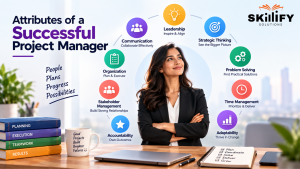
A successful project manager needs a balanced mix of technical and soft skills. While knowing project management methodologies is important, people skills often make the biggest difference. Strong leadership skills are at the top of the list, as a project manager must guide and motivate team members to achieve a common goal.
Excellent communication skills are equally vital. A project manager is the central point of contact and must be able to clearly convey information, listen to concerns, and negotiate with stakeholders. They need to keep everyone informed and aligned, from the project team to senior executives. This helps prevent misunderstandings and keeps the project moving forward smoothly.
Other essential skills include:
Problem-solving: The ability to identify issues and find practical solutions.
Time management: Skillfully prioritizing tasks and managing deadlines.
Risk management: Proactively identifying and mitigating potential project risks.
8. What tools do project managers commonly use?
Project managers rely on a variety of project management tools to plan, execute, and monitor their projects effectively. These tools range from simple spreadsheets and charts to sophisticated project management software. The choice of tool often depends on the project’s complexity, the team’s size, and the organization’s preferences.
Modern project managers frequently use collaboration software to keep their teams organized and connected. These platforms help with task assignment, progress tracking, and communication, which is especially useful for remote or distributed teams. Familiarity with these tools is often a key requirement in job descriptions.
Some common examples of project management tools include:
Collaboration Software: Asana, Trello, and Jira for task management and team collaboration.
Charting Tools: Gantt charts for scheduling and RACI charts for defining roles and responsibilities.
Communication Platforms: Slack and Microsoft Teams for real-time team communication.
9. What is stakeholder management?
Stakeholder management is the process of identifying, analyzing, and engaging with anyone who has an interest in or is affected by your project. Stakeholders can include clients, team members, executives, suppliers, and even the public. Effectively managing their expectations and involvement is crucial for a project’s success.
The first step is to identify all potential stakeholders and understand their needs, influence, and expectations. Once they are identified, a project manager must develop a communication plan to keep them informed and engaged. This requires excellent communication skills and the ability to tailor messages to different audiences. Keeping stakeholders happy and supportive helps prevent roadblocks and ensures a smoother project journey.
A key part of stakeholder management is balancing competing interests. Different stakeholders may have conflicting priorities, and the project manager must navigate these challenges through negotiation and clear communication. The goal is to build strong relationships and ensure that the project delivers value to all key parties involved.
10. What is risk management in project management?
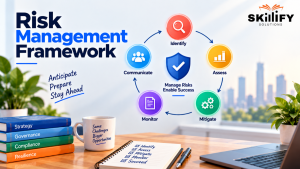
Risk management is the proactive process of identifying, assessing, and responding to potential risks that could impact a project. A risk is any uncertain event that, if it occurs, could have a positive or negative effect on the project goals. A skilled project manager doesn’t just react to problems; they anticipate them.
The process starts with identifying potential risks during the planning phase. The team brainstorms everything that could go wrong, from technical issues and budget cuts to team member absences. Once risks are identified, they are analyzed to determine their likelihood and potential impact. This helps prioritize which risks need the most attention.
Finally, the project manager develops response plans for the most significant risks. These plans outline the specific actions to be taken if a risk occurs. The key steps in risk management include:
Risk Identification: Listing all potential threats and opportunities.
Risk Analysis: Evaluating the probability and impact of each risk.
Risk Response Planning: Creating strategies to mitigate threats and exploit opportunities.
Intermediate Project Manager Interview Questions and Answers
Once you move beyond entry-level roles, a job interview will dig deeper into your practical project management experience. Interviewers want to hear specific examples of how you’ve handled common project challenges. They’ll ask questions that test your problem-solving abilities, leadership style, and familiarity with different project management tools and techniques.
These intermediate questions are designed to see if you can apply theoretical knowledge to real-world situations. Be prepared to talk about your past projects, the decisions you made, and the outcomes you achieved. The following questions cover scenarios you’re likely to have faced.
11. How do you prioritize tasks in a project?
Prioritizing tasks is a critical time management skill for any project manager. To do this effectively, I rely on a combination of methods to determine what needs immediate attention from team members. My approach is always tied to the project’s overall goals and deadlines.
First, I often use a priority matrix, like the Eisenhower Matrix, to categorize tasks based on their urgency and importance. This helps distinguish between what must be done now, what can be scheduled for later, and what can be delegated or eliminated. I also consider task dependencies—some tasks must be completed before others can begin, making them a natural priority.
Finally, I always consult with stakeholders to understand their priorities. Their input is crucial for ensuring that the team is working on what delivers the most value. Key methods I use include:
MoSCoW Method: Categorizing tasks as Must-haves, Should-haves, Could-haves, and Won’t-haves.
Critical Path Analysis: Identifying the sequence of tasks that directly impacts the project’s completion date.
Stakeholder Input: Regularly checking in with key stakeholders to align priorities.
12. How do you manage remote or cross-functional project teams?
Managing remote teams or cross-functional groups requires a deliberate focus on communication and collaboration. As a project manager, my first step is to establish clear communication channels and expectations. This means setting up regular virtual meetings, using a central platform for updates, and defining response times.
To foster a sense of unity among remote team members, I make sure to create opportunities for connection beyond just work tasks. Virtual coffee breaks or team-building activities can help build relationships and trust. For cross-functional teams, it’s important to ensure everyone understands each other’s roles and perspectives. I facilitate workshops to align the team on project goals.
Success with these teams comes down to a few key practices:
Setting clear expectations: Defining communication protocols and goals from the start.
Using the right tools: Employing collaboration software to keep everyone connected and on the same page.
Promoting open dialogue: Encouraging team members to share updates, ask questions, and raise concerns openly.
13. How do you handle scope creep mid-project?
Handling scope creep is a test of a project manager’s control and communication skills. When a new request arises mid-project, my first step is not to say no, but to assess its impact. I analyze how the change would affect the project’s timeline, budget, and resources.
I then present this analysis to the stakeholders who requested the change. This creates a transparent conversation about the trade-offs. If the change is deemed essential, I initiate a formal change control process. This ensures the change is properly documented, approved, and integrated into the project plan. This prevents uncontrolled additions from derailing the project.
My strategy for managing scope creep involves these steps:
Acknowledge and Assess: Listen to the request and evaluate its impact on the project constraints.
Communicate Transparently: Discuss the implications (cost, time, resources) with stakeholders.
Follow a Formal Process: Use a change control system to approve and document any scope changes.
14. How do you track project progress and performance?
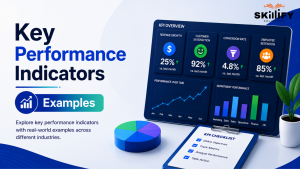
Tracking project progress and performance is essential for keeping a project on course. I use a combination of quantitative and qualitative methods to get a full picture. Key Performance Indicators (KPIs) are my starting point. These metrics, such as budget variance and schedule variance, provide objective data on how the project is performing against the original plan.
I rely on project management software to visualize this data through dashboards and reports. Tools like Gantt charts help me track task completion against the timeline, while Kanban boards offer a real-time view of workflow and potential bottlenecks. These tools make it easy to share progress updates with stakeholders and the team.
Beyond the numbers, I also hold regular check-in meetings with the team. These meetings are crucial for understanding team dynamics, uncovering hidden challenges, and gathering qualitative feedback on progress. This combination of hard data and human insight allows me to steer the project effectively and make informed decisions.
15. How do you estimate project timelines?
Estimating project timelines accurately is a mix of art and science, and it’s one of the most important project management skills. I use several techniques to create realistic estimates. I never rely on a single method, as combining approaches provides a more reliable forecast.
For projects similar to past work, I use analogous estimating, which bases the new timeline on data from previous, similar projects. For more unique projects, I use bottom-up estimating, where the team breaks down the project into small tasks and estimates the time for each one. We then add these estimates together to get a total project duration.
No estimate is perfect, so I always include a buffer for unexpected delays. My preferred estimation techniques include:
Analogous Estimating: Using historical data from similar projects.
Parametric Estimating: Using statistical relationships between historical data and other variables.
Three-Point Estimating: Calculating an average based on optimistic, pessimistic, and most likely scenarios.
16. How do you handle conflicts within a project team?
Conflict within a project team is inevitable, but how it’s handled can make or break team dynamics. My approach to conflict resolution is to address it directly and constructively before it escalates. I start by speaking with the involved parties individually to understand their perspectives without judgment.
Once I have a clear picture, I bring them together for a mediated conversation. The goal is to find common ground and a mutually agreeable solution. I act as a neutral facilitator, ensuring the discussion remains respectful and focused on the problem, not on personalities. This requires strong communication skills and emotional intelligence.
My conflict resolution process generally follows these steps:
Listen: Understand each person’s point of view separately.
Facilitate: Bring the parties together to discuss the issue openly and calmly.
Find a Solution: Guide the team toward a compromise that aligns with the project’s goals.
17. How do you ensure project deliverables meet quality standards?
Ensuring project deliverables meet quality standards is a continuous process, not a final check. My approach is to build quality into the project from the very beginning. This starts with clearly defining quality standards and acceptance criteria with the stakeholders during the planning phase.
Throughout the project, I implement quality assurance processes, such as peer reviews and testing, at key milestones. This helps catch issues early before they become bigger problems. My leadership skills are important here, as I need to foster a culture where every team member feels responsible for quality.
To ensure high-quality outcomes, I focus on:
Defining Quality Metrics: Setting clear, measurable standards for success at the start.
Regular Reviews: Conducting testing and reviews throughout the project lifecycle.
Continuous Feedback: Creating a feedback loop with stakeholders to ensure the final product meets their expectations.
18. How do you manage a project budget effectively?
Effective budget management is about more than just tracking expenses; it’s about making smart financial decisions throughout the project. I start by creating a detailed project budget during the planning phase, breaking down costs by task and resource. This detailed estimate serves as our financial baseline.
As the project progresses, I use project management tools to monitor actual spending against the budget in real-time. This allows me to spot any variances early. If costs start to exceed the plan, I investigate the root cause and take corrective action, which might involve reallocating funds or finding more cost-effective solutions.
My strategy for managing a project budget includes:
Detailed Estimation: Creating a thorough cost breakdown at the beginning.
Continuous Tracking: Using software to monitor spending against the budget.
Proactive Control: Identifying and addressing budget variances before they become major issues.
Agile and Scrum Project Management Interview Questions
In today’s fast-paced environment, many companies have adopted Agile project management methodologies. As a result, you can expect scrum interview questions to be a significant part of your project manager interview. These questions test your understanding of iterative development, collaboration, and flexibility.
Whether you’re a certified Scrum Master or have simply worked in an Agile environment, showing you understand the principles and practices is key. Hiring managers want to see if you can lead a team in a dynamic setting where change is expected. Let’s review some common Agile and Scrum questions.
19. What is Agile project management and when should you use it?
Agile project management is an iterative approach that focuses on delivering value to customers in small, incremental steps. Unlike traditional methods where all planning is done upfront, Agile embraces flexibility and collaboration. Teams work in short cycles called sprints, allowing them to adapt to changes and get feedback quickly.
This methodology is best suited for projects where the requirements are expected to change or are not fully understood at the start. It thrives in dynamic environments like software development, where customer needs can evolve. The emphasis is on continuous improvement and responding to change rather than strictly following a plan.
You should consider using Agile when:
The project requirements are uncertain or likely to change.
You need to deliver a working product to the market quickly.
Close collaboration with the customer is possible and desired.
20. What is Scrum and how does it work?
Scrum is a popular framework for implementing Agile project management. It provides a structured yet flexible way for teams to deliver products of the highest possible value. The work is done in short, time-boxed iterations called sprints, which typically last from one to four weeks.
At the beginning of each sprint, the team selects a small number of items from a prioritized list called the product backlog. The team then works to complete these items during the sprint. Daily stand-up meetings, known as Daily Scrums, help keep team members aligned and address any roadblocks.
At the end of the sprint, the team presents the completed work to stakeholders and reflects on their process in a retrospective meeting. The key elements of Scrum are:
Sprints: Short, consistent cycles of work.
Product Backlog: A prioritized list of all desired features and work.
Scrum Team: A self-organizing group of team members including a Product Owner, Scrum Master, and Developers.
21. What are the key Scrum ceremonies and their purpose?
Scrum ceremonies are a series of recurring meetings that provide the structure for the Scrum framework. Each ceremony has a specific purpose designed to promote transparency, inspection, and adaptation. These are not just meetings for the sake of meetings; they are essential for keeping the agile project management process on track.
These events create a regular cadence for the team to plan their work, collaborate, review progress, and improve their process. A project manager’s skill in facilitating these ceremonies is crucial for a successful Scrum implementation. They ensure that every meeting is productive and helps move the project forward.
The key Scrum ceremonies are:
Sprint Planning: The team decides what work will be completed in the upcoming sprint.
Daily Scrum: A short, daily meeting for the team to sync up on progress and obstacles.
Sprint Review: The team demonstrates the work completed during the sprint to stakeholders.
Sprint Retrospective: The team reflects on the past sprint and identifies ways to improve in the next one.
22. What is a sprint and how do you plan one?
In Scrum, a sprint is a short, time-boxed period during which a specific amount of work is completed and made ready for review. Sprints are the heartbeat of Scrum, and they are typically one to four weeks long. The goal of each sprint is to create a valuable and potentially shippable product increment.
Planning a sprint is a collaborative event called Sprint Planning. During this meeting, the entire Scrum team works together. The Product Owner presents the highest-priority items from the product backlog. The development team then decides how much of that work they can realistically commit to completing during the upcoming sprint.
The team creates a sprint backlog, which is a list of the selected items and a plan for how to deliver them. The key steps for planning a sprint are:
Define the Sprint Goal: Determine the primary objective for the sprint.
Select Backlog Items: The team pulls items from the product backlog into the sprint backlog.
Create a Plan: The team breaks down the selected items into smaller tasks.
23. What is the difference between Agile and Waterfall?
Agile and Waterfall are two fundamentally different project management methodologies. The Waterfall model is a traditional, sequential approach where the project is broken down into distinct phases. Each phase must be fully completed before the next one begins, much like a waterfall flowing over a series of steps.
In contrast, an agile project management approach is iterative and flexible. Instead of one big delivery at the end, Agile delivers work in small, usable increments. It welcomes change and involves continuous collaboration with the customer throughout the project. This allows for greater adaptability in projects with evolving requirements.
Here are the main differences:
Flexibility: Agile is highly flexible, while Waterfall is rigid.
Customer Involvement: Agile involves continuous customer feedback, whereas Waterfall has limited involvement after the initial requirements phase.
Delivery: Agile delivers value incrementally, while Waterfall has a single final delivery.
24. How do Agile teams handle changing requirements?
Handling changing requirements is a core strength of agile project management. Instead of viewing change as a problem, Agile teams see it as an opportunity to deliver a better product. The process is designed to accommodate changes gracefully without disrupting the entire project.
Changes are managed through the product backlog. When a new requirement or a change to an existing one is requested, the Product Owner adds it to the backlog and prioritizes it against other items. This ensures that the team is always working on the most valuable features. The short sprint cycles allow these new priorities to be incorporated quickly.
The key to managing change in Agile is:
Embracing Change: Viewing it as a natural part of the development process.
Prioritizing the Backlog: The Product Owner continuously refines the backlog to reflect the latest priorities.
Short Iterations: Sprints allow the team to pivot and adapt to new requirements every few weeks.
25. What are the core principles of Agile methodology?
The Agile methodology is guided by a set of core principles outlined in the Agile Manifesto. These principles emphasize people, collaboration, and flexibility over rigid processes and documentation. They provide a mindset that helps teams deliver value to their customers effectively.
At its heart, Agile is about customer satisfaction through early and continuous delivery of valuable software. It values working software as the primary measure of progress. The principles also promote sustainable development, where team members can maintain a constant pace indefinitely. This focus on people and sustainable work is a key project management skill in an Agile context.
Some of the core principles of the Agile methodology include:
Customer collaboration over contract negotiation.
Responding to change over following a plan.
Individuals and interactions over processes and tools.
Working software over comprehensive documentation.
Scenario-based questions are favored by interviewers as they showcase your ability to think on your feet. These behavioral questions present hypothetical yet realistic situations to evaluate your skills and judgment. There is rarely a single “right” answer; instead, interviewers focus on your thought process and problem-solving approach. To prepare, reflect on past experiences where you tackled similar challenges related to team dynamics or project obstacles.
26. How would you handle conflicting stakeholder priorities?
When faced with conflicting stakeholder priorities, my first step is to facilitate open communication. I would organize a meeting with the key stakeholders to give each of them a platform to explain their needs and priorities. Often, conflicts arise from a lack of understanding of each other’s perspectives.
My role in this meeting would be to act as a neutral mediator, guiding the conversation toward a common ground. I would use my communication skills to ensure everyone feels heard and respected. The goal is to find a win-win solution or a compromise that aligns with the overall business objectives.
If a compromise can’t be reached, I would present the different options along with their impact on the project’s scope, timeline, and budget. The key steps are:
Facilitate a discussion: Bring stakeholders together to share their views.
Identify common goals: Find areas of agreement to build upon.
Analyze and present options: Clearly outline the trade-offs of each priority to help them make an informed decision.
27. What steps would you take if project requirements suddenly change?
If project requirements suddenly change, my first action is to remain calm and assess the situation methodically. I would immediately analyze the impact of the change on the project’s scope, schedule, budget, and resources. This is a critical risk management step to understand the full consequences.
Next, I would communicate this impact analysis to the project team members and key stakeholders. It’s important to be transparent about the trade-offs. This allows for an informed discussion about whether to accept the change. If the change is approved, I would initiate our formal change control process.
This ensures the new requirements are properly documented and integrated into the project plan. The steps I would take are:
Assess the Impact: Analyze the effect on project constraints (scope, time, cost).
Communicate Clearly: Inform stakeholders and the team about the consequences.
Implement Change Control: If approved, formally update the project plan and all related documents.
28. How would you manage a project with limited resources?
Managing a project with limited resources requires careful planning, ruthless prioritization, and creativity. My first step would be to work with stakeholders to clearly define the project’s minimum viable product (MVP). This helps focus the team members on delivering the most essential features first.
I would then focus on optimizing the resources we do have. This could mean looking for efficiencies in our workflow, cross-training team members to cover multiple roles, or using open-source project management tools to save on costs. Creating a positive work environment is also key to keeping the team motivated despite the constraints.
My strategy would be to:
Prioritize ruthlessly: Focus the team’s efforts on the highest-value tasks.
Optimize resources: Find creative ways to make the most of the available budget and personnel.
Communicate transparently: Keep stakeholders informed about what is and isn’t possible with the given resources.
29. What would you do if a project is falling behind schedule?
If a project is falling behind schedule, my immediate priority is to understand why. I would investigate the root cause of the delay. Is it due to scope creep, unrealistic estimates, resource shortages, or unforeseen technical challenges? This diagnosis is crucial for finding the right solution.
Once I understand the cause, I would develop a corrective action plan. This could involve several strategies, depending on the situation. For example, I might need to re-prioritize tasks, simplify the scope, or negotiate for additional resources. This is where risk management and time management skills are put to the test.
Some potential actions I would consider are:
Fast-tracking: Performing tasks in parallel that were originally planned sequentially.
Crashing: Adding more resources to critical path tasks to shorten their duration.
Scope reduction: Negotiating with stakeholders to remove or postpone less critical features.
For senior roles or those with a PMP certification, expect questions that assess your strategic thinking and leadership abilities. These advanced inquiries focus on aligning projects with business objectives, managing complex challenges, and driving organizational improvements. Interviewers seek maturity in your responses, looking for evidence of strategic insight, financial understanding, and your capacity to lead projects while contributing to the organization’s overall success.
30. How do you align project goals with business objectives?
Aligning project goals with business objectives is the foundation of strategic project management. To do this, I start by thoroughly understanding the organization’s strategic goals. I make sure to have a clear answer to the question: “How will this project contribute to the company’s bottom line?”
Throughout the project lifecycle, I consistently communicate this connection to the project team and stakeholders. This ensures that everyone understands the “why” behind their work, which boosts motivation and keeps the team focused on delivering value. My leadership skills are crucial for translating high-level business objectives into actionable project goals.
I ensure alignment by:
Developing a strong business case: Clearly linking the project outcomes to strategic business goals.
Defining clear metrics: Establishing KPIs that measure both project success and business impact.
Regular communication: Continuously reinforcing the project’s strategic importance to all stakeholders.
31. Describe a project where you led a team under tight deadlines.
In a previous role, I led a project to launch a new mobile application under a very aggressive six-week deadline. To showcase my leadership experience, I’ll explain how I guided the team to success. My first step was to create a highly detailed project plan with clear, daily milestones. This gave the team a clear roadmap and a sense of progress.
I focused on protecting the team from distractions and scope creep. I acted as a gatekeeper for all new requests and maintained open and honest communication with stakeholders about what was achievable. I also made sure to celebrate small wins along the way to keep the team members’ morale high.
The key to our success was:
Clear and focused planning: Breaking the project into manageable daily tasks.
Protecting the team: Shielding them from external pressures and distractions.
Maintaining morale: Acknowledging effort and celebrating progress to keep the team motivated.
32. How do you use Earned Value Management (EVM) to track performance?
Earned Value Management (EVM) is a powerful technique for integrating a project’s scope, schedule, and cost to measure project progress. I use it to get an objective view of performance. It goes beyond simply comparing planned versus actual costs by also considering how much work has actually been completed.
To use EVM, I track three key metrics: Planned Value (PV), Earned Value (EV), and Actual Cost (AC). By comparing these values, I can calculate the Schedule Variance (SV) and Cost Variance (CV). These metrics tell me if the project is ahead of or behind schedule and over or under budget.
I use project management tools to automate these calculations and generate performance reports. This data-driven approach helps me make informed decisions and forecast the project’s final cost and completion date. The core components are:
Planned Value (PV): The budgeted cost of work scheduled.
Earned Value (EV): The budgeted cost of work performed.
Actual Cost (AC): The actual cost of work performed.
33. How do you manage multiple projects and competing deadlines simultaneously?
Managing multiple projects requires exceptional organization and time management skills. I rely on a centralized system to keep track of all my projects, tasks, and deadlines. I use project management tools to create a master dashboard that gives me a high-level view of the status of each project.
Each week, I review the priorities for all projects and allocate my time accordingly. I identify the most critical tasks across all projects and tackle those first. Delegation is also key. I empower my team members to take ownership of their tasks, which frees me up to focus on strategic oversight and resolving roadblocks.
My approach to managing multiple projects includes:
Centralized tracking: Using a single tool to monitor all projects.
Weekly prioritization: Reviewing and setting priorities across all projects every week.
Effective delegation: Trusting my team to manage their responsibilities.
What are some good questions to ask the interviewer in a project management interview?
In a project management interview, consider asking about the team dynamics, project challenges, and success metrics. Inquire how the role contributes to company goals and the tools used for collaboration. These questions demonstrate your interest and understanding of key project management elements.
1. How is project success measured in this role?
This helps you understand the KPIs, performance metrics, and expectations for the project manager position.
2. What are the biggest challenges the project team is currently facing?
This shows you are already thinking about problem-solving and contributing to solutions.
3. How does this role collaborate with stakeholders across different departments?
Project managers work closely with cross-functional teams, so this question highlights your awareness of stakeholder management.
4. What project management tools and methodologies does the team currently use?
This helps you understand whether the organization uses Agile, Scrum, Waterfall, Jira, Asana, or other tools.
5. What does success look like in the first 90 days for this role?
This demonstrates that you are focused on delivering impact quickly and aligning with business goals.How to Prepare for a Project Management Interview (Quick Tips)
Review the job description thoroughly to identify essential skills required for the role, such as budget management and stakeholder management.
Familiarize yourself with common project management tools and methodologies, as these are often discussed in interviews.
Use the STAR method to structure your responses to behavioral questions, effectively showcasing your experiences.
Practice answering common project manager interview questions to boost your confidence and refine your answers.
Understand the company culture to tailor your responses, demonstrating how you fit within the organization.
Conclusion
Preparing for a project management interview can be a pivotal step in advancing one’s career. Reflecting on the various project management interview questions discussed, candidates should remember to leverage their experiences, showcasing specific examples that highlight their project management skills, such as time management and risk management. Emphasizing emotional intelligence and leadership style can also enhance responses, making a lasting impression on hiring managers.
Utilizing resources like Skillify Solutions can provide additional practice and insights on project management interview questions, ensuring candidates are well-equipped for any interview scenario. This preparatory work is essential for achieving success in securing a project management position.
Frequently Asked Questions
1. What are the most important project management concepts to review before an interview?
Familiarize yourself with key project management concepts such as the project lifecycle, stakeholder management, risk assessment, and agile methodologies. Understanding these principles will not only boost your confidence but also demonstrate your expertise during the interview.
2. How can I showcase leadership experience in a project management interview?
To showcase leadership experience in a project management interview, share specific examples demonstrating your ability to lead teams, manage conflicts, and achieve project goals. Highlight relevant achievements, use metrics to quantify success, and discuss how your leadership style positively impacted outcomes.
3. Is PMP certification required to get a project manager job?
While PMP certification is not always mandatory for project manager positions, it significantly enhances your credentials and demonstrates your commitment to the profession. Many employers prefer candidates with this certification, as it reflects a strong understanding of project management principles.